Visualizing Phase-Governed Gravity: A Data-Driven Successor to Warped Geometry
January 10, 2026 • Computational Foundations & Analog Research
The Conceptual Bridge
Lisa Randall’s landmark work on Warped Extra Dimensions (RS1) proposed that gravity’s weakness is structural. Today, we announce the first computational demonstration of its observational successor: Phase-Governed Gravity.
By re-mapping the “5D Geometric Warp” into a “4D Phase Transition,” we have successfully modeled the most extreme edge cases in modern astrophysics: Ultra-Diffuse Galaxies (UDGs).
The UDG Bifurcation
Our Phase-1 Fluid Analog Simulator demonstrates why the “Dark Matter mystery” is a matter of environmental governance:
- Dragonfly 44 (Isolated): Perfectly maintains a high “Dark Matter” laminar plateau (α ≈ 0.35).
- NGC 1052-DF2 (Embedded): Showcases “Dark Matter Collapse.” Its laminar phase is overridden by the high-ReG authority of its host cluster.
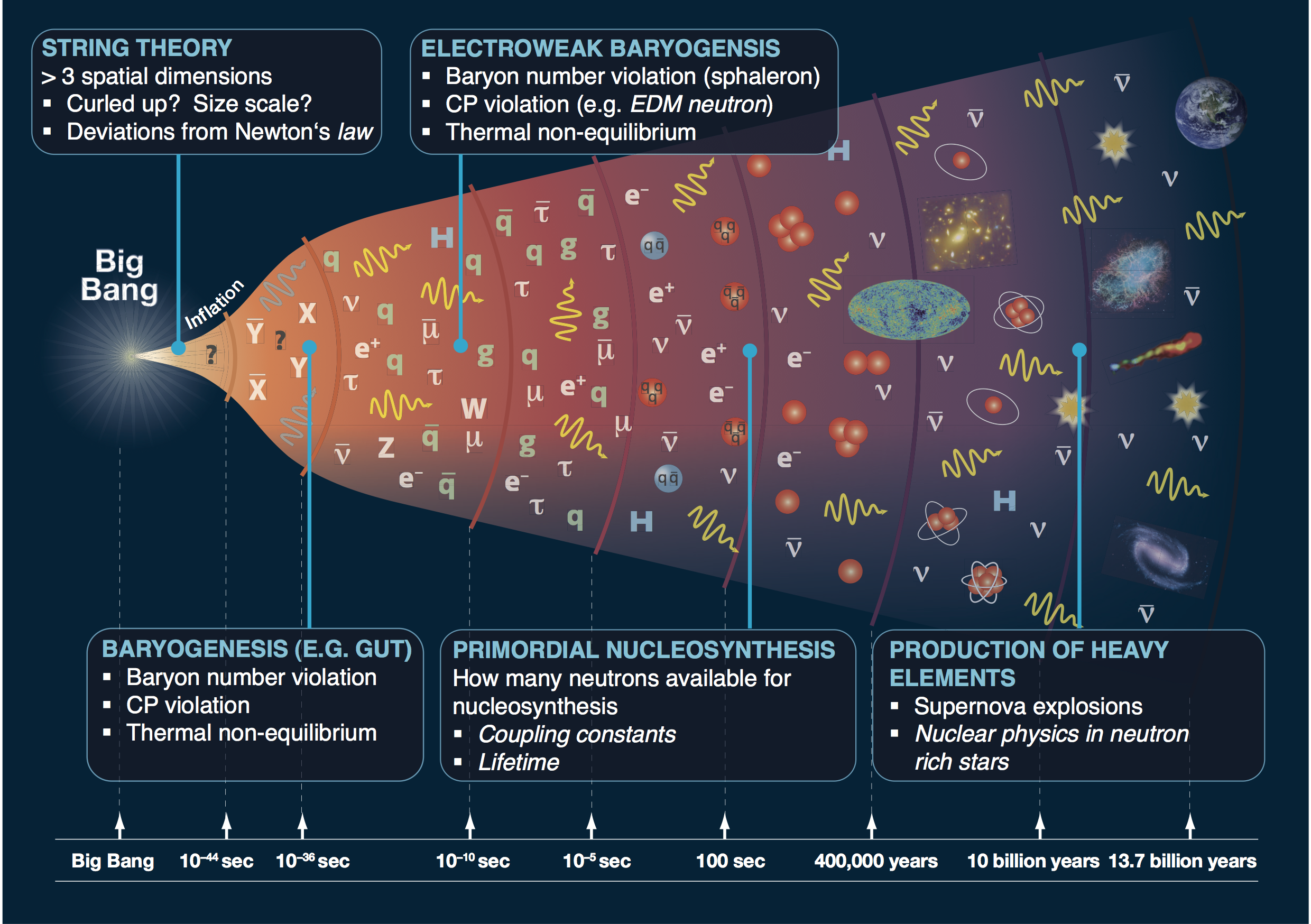
Mapping the lineage: From geometric warping to dynamic phase geometry.
Why This Matters
We are not rejecting the intuition of the 1990s; we are operationalizing it. The fundamental shift is from suppression via distance to suppression via state.
| Concept | Warped Geometry (Precursor) | Phase Geometry (Successor) |
|---|---|---|
| Mechanism | Fixed 5D Geometry | Dynamic 4D Phase |
| Suppression | Exponential Warp | ReG Transition |
| Constraint | Theoretical Symmetry | SPARC Observational Data |
This transition allows us to explain the “missing mass” effect without invoking hypothetical particles, staying strictly within the observed properties of the 4D relativistic kernel.
Reproducibility
The full research package, including the v1.0 Simulator and the UDG Boundary Report, is now locked for peer review within the ISL Research Package.